Blog posts
Deep dives into vulnerabilities we discover, offensive security techniques we develop, and insights from the front lines of enterprise security research.

Case Study: IOMobileFramebuffer NULL Pointer Dereference
How broken access and Null Pointer Dereference was found in macOS IOMobileFramebuffer (AppleCLCD2) service.


Threat of TCC Bypasses on macOS
TCC on macOS isn’t just an annoying prompt—it’s the last line of defense between malware and your private data. This article breaks down how TCC works, why third-party developers must take bypass vulnerabilities seriously, and how seemingly minor flaws can open the door to real-world attacks. Written from the perspective of both attacker and defender, it’s a must-read for app developers and security researchers alike.

Ready_ Wasn’t Ready – Four Critical Vulnerabilities in Symfonia eDokumenty
In our latest research, we discovered four critical vulnerabilities in Symfonia eDokumenty (formerly Ready_TM), including Remote Code Execution, SQL Injection, and more. This case illustrates why consistent and thorough security testing is essential for applications handling sensitive data.

Desktop Application Testing: Essential Steps
Desktop applications handle critical business operations across enterprises. Banking software processes transactions. Healthcare apps store patient records. Manufacturing tools control production systems. They all share common security challenges that standard desktop application testing approaches miss. The problem is straightforward: most security testing methodologies were built for web and mobile applications. They don’t account for direct […]
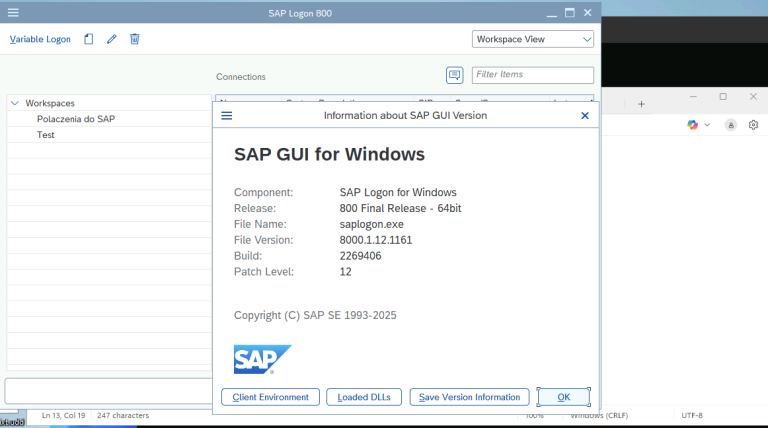
Unmasking the Security Labyrinth: Navigating the Perils of SAP GuiXT Scripting
This blog post uncovers critical vulnerabilities like Insecure Design, remote script loading, and NTLM hash theft.
Null Pointer Exceptions: From Java’s Pitfalls to Kotlin’s Solutions
This article explores the root causes of NullPointerExceptions in Java and how Kotlin’s built-in null safety mechanisms offer a cleaner, safer alternative. Through practical code examples and real-world patterns, we compare both languages and highlight Kotlin’s advantages in writing more robust and maintainable code.

When Memory Refuses to Forget: Sensitive Data Persistence in Desktop Application
This article explores a security flaw in desktop applications across Windows, Linux, and macOS: the persistent storage of sensitive data in memory.

LLM Security: Prompt Injection Defense with CaMeL Framework
DeepMind released CaMeL, a new prompt injection security mechanism. It is based on Dual LLM design pattern. Is it an end to prompt injection?

GraphQL Security from a Pentester’s Perspective
Discover key security vulnerabilities in GraphQL APIs, practical testing methods, and effective mitigations. Essential reading for security professionals and developers.

DLL Hijacking in Check Point SmartConsole installer aka CVE-2024-24916
The article provides a detailed breakdown of a DLL hijacking vulnerability in Check Point SmartConsole, explaining how malicious DLLs could be loaded to achieve remote code execution before the issue was patched.
Thank you! Your submission has been received!
Oops! Something went wrong while submitting the form.
Enterprise Security Newsletter for Banking
Practical offensive security insights from banking operations, from the team making banks more secure for over 10 years. Be the first to know when we find something worth your attention.